.png)
What Are Performance Fabrics? A Complete Guide to Technical Athletic Materials

Activewear today is no longer just about how it looks; it’s about how it performs. As gymwear, athleisure, and functional clothing continue to grow, people expect more from what they wear during workouts and everyday movement. Comfort, flexibility, breathability, and durability have become just as important as style.
This is where performance fabric comes in. Unlike regular materials, these fabrics are specifically engineered to handle sweat, movement, and changing conditions; something traditional fabrics often struggle to do. Whether you’re training, running, or simply staying active throughout the day, the right fabric can make a noticeable difference.
In this guide, we’ll discuss:
What performance fabrics actually are
The different types of performance fabrics used in activewear
The key benefits of performance fabrics
The best performance fabrics for gymwear
And how to choose the right fabric based on your needs
Let’s dive in!
What Is a Performance Fabric?
A performance fabric is an engineered textile designed to deliver function. Unlike regular materials, these fabrics are created to support movement, enhance comfort, and handle physical activity more efficiently. This is why they’re widely used in athletic fabrics and activewear.
Performance fabrics are typically built with specific features in mind, including:
Moisture control to manage sweat and keep the body dry
Stretch to allow flexibility and unrestricted movement
Durability to withstand repeated use and washing
Temperature regulation to keep you cool or warm, depending on weather conditions
In simple terms, performance fabrics are designed to work with your body, making them essential for both workouts and everyday active lifestyles.
How Performance Fabrics Are Different from Regular Fabrics
At a glance, all fabrics may look similar, but the difference becomes obvious once you start using them. Traditional materials like cotton are designed for comfort and softness, while performance fabrics are built differently.
Take cotton vs moisture-wicking polyester as a simple example. Cotton absorbs sweat and holds onto moisture, which can leave you feeling damp and uncomfortable during workouts. In contrast, moisture-wicking polyester pulls sweat away from the skin and allows it to evaporate quickly, helping you stay dry and comfortable.
The difference also comes down to structure, fiber type, and finishing treatments. Performance fabrics are often made using synthetic fibers or advanced blends that are designed to stretch, breathe, and resist wear. They may also go through specialized treatments, such as anti-odor finishes or moisture-wicking coatings, to enhance their functionality.
In short, regular fabrics focus on feel and appearance, while performance fabrics are built to actively support movement, comfort, and performance.
Key Properties of Performance Fabrics
Performance fabrics have specific properties that improve comfort, movement, and overall functionality, especially during physical activity.
Some common features include:
Breathability
Breathability refers to how well air can flow through the fabric. Performance fabrics are designed to allow proper ventilation, which helps regulate body temperature and prevents overheating. This is especially important during high-intensity activities.
Stretch & Flexibility
Stretch is essential for movement. Performance fabrics often include elastane or spandex to provide flexibility. Two-way stretch allows movement in one direction, while four-way stretch provides greater freedom by stretching in multiple directions, making it ideal for activities like yoga or training.
Moisture-Wicking
Moisture-wicking is one of the most important features of performance fabrics. It works by pulling sweat away from the skin and moving it to the outer surface of the fabric, where it can evaporate quickly. This helps keep the body dry and prevents that heavy, sticky feeling during workouts.
Durability
Durability ensures the fabric can handle repeated use, stretching, and washing without losing its shape or performance. High-quality performance fabrics are built to resist wear and tear, making them suitable for regular workouts.
Lightweight Feel
A lightweight fabric enhances comfort by reducing bulk and allowing easier movement. Performance fabrics are designed to feel light on the body, which helps improve mobility and reduce fatigue during extended wear.
Types of Performance Fabrics

When choosing material, understanding the different types of performance fabrics is essential. Each fabric has its own strengths, limitations, and ideal use cases depending on the activity and environment.
Polyester (Most Common Athletic Fabric)
Polyester is one of the most widely used athletic fabrics due to its versatility and performance.
Pros: Excellent moisture-wicking, lightweight, quick-drying, and affordable
Cons: Can retain odor if not treated, less breathable than natural fibers
Best Use Cases: Gymwear, running clothes, sports jerseys, everyday activewear
Nylon (Durable & Smooth)
Nylon is known for its smooth texture and high durability, making it a premium option in performance wear.
Pros: Strong, abrasion-resistant, soft feel, good stretch when blended
Cons: Slightly more expensive, can trap heat if not blended properly
Best Use Cases: Leggings, compression wear, outdoor gear, performance tops
Spandex/Elastane (Stretch Component)
Spandex (also known as elastane) is rarely used alone but is blended with other fabrics to add stretch.
Pros: Exceptional elasticity, improves fit and flexibility, retains shape
Cons: Not breathable on its own, always requires blending
Best Use Cases: Yoga wear, fitted gymwear, compression garments, stretch-based clothing
Bamboo Performance Fabrics (Eco-Friendly Option)
Bamboo-based fabrics are gaining popularity as a more sustainable alternative.
Pros: Soft, breathable, naturally anti-bacterial, eco-friendly
Cons: Less durable than synthetics, can be more expensive
Best Use Cases: Light workouts, loungewear, low-impact activewear
Polypropylene (Moisture Management)
Polypropylene is a lesser-known but highly effective performance material.
Pros: Superior moisture-wicking, lightweight, fast-drying
Cons: Less breathable, limited softness compared to other fabrics
Best Use Cases: Base layers, high-sweat activities, performance undergarments
Merino Wool (Temperature Regulation)
Merino wool is a natural performance fabric known for its ability to regulate temperature.
Pros: Excellent insulation, moisture-wicking, odor-resistant, breathable
Cons: Higher cost, requires careful washing
Best Use Cases: Cold-weather training, outdoor sports, layering pieces
Fabric Blends: Why Most Athletic Fabrics Are Not Pure
Most athletic fabrics are not made from a single material, and that’s intentional. Instead of relying on one fiber, textile manufacturers often blend fabrics like polyester and spandex or nylon and elastane to combine multiple performance benefits into one material.
Blending improves overall functionality. For example, polyester offers moisture-wicking and durability, while spandex adds stretch and flexibility. When combined, the fabric becomes both comfortable and performance-driven. Similarly, nylon provides strength and a smooth feel, while elastane enhances movement and shape retention.
The main reason blending is so common is simple: no single fabric can deliver all performance features on its own. By combining fibers, manufacturers can create fabrics that are breathable, stretchable, durable, and comfortable, making them ideal for modern activewear and gymwear.
Benefits of Performance Fabrics
The real, practical benefits of performance fabrics drive the growing popularity of activewear. These materials are made to improve how you feel and move, making a noticeable difference during both workouts and everyday activities.
One of the biggest advantages is better comfort during workouts. Performance fabrics are lightweight, soft, and designed to move with your body, reducing irritation and restriction. This directly supports enhanced movement and flexibility, allowing you to train more freely without feeling held back by your clothing.
Another key benefit is improved sweat management. Unlike traditional fabrics, performance materials wick moisture away from the skin and dry quickly, helping you stay cool and comfortable even during intense sessions.
They also offer long-lasting wear. These fabrics are built to handle repeated stretching, washing, and use without losing their shape or performance qualities, making them a reliable choice over time.
Finally, many performance fabrics provide better hygiene through odor control. With anti-microbial treatments and moisture management, they help reduce odor buildup, keeping your clothing fresher for longer.
Together, these benefits make performance fabrics a smart choice for anyone who values comfort, durability, and functionality in their clothing.
Best Performance Fabrics for Gymwear and Active Lifestyles
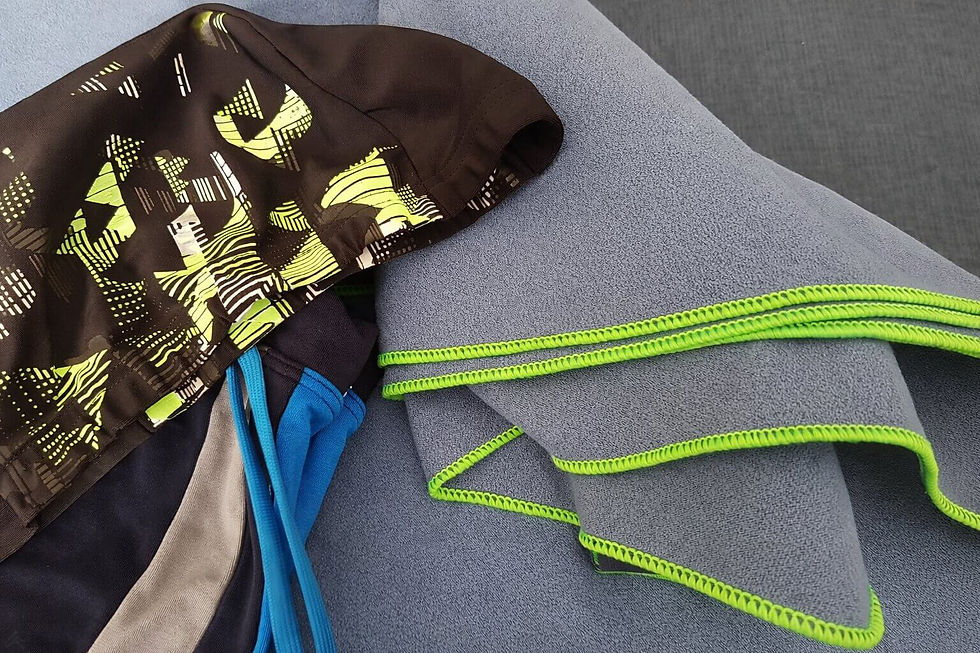
Choosing the best performance fabrics for gym wear largely depends on the type of activity you're doing. Different workouts place varying demands on your clothing, so the right fabric can enhance both comfort and performance.
For High-Intensity Workouts
For activities like HIIT, weight training, or cardio sessions, you need fabrics that handle sweat and movement efficiently. Polyester blends (especially polyester + spandex) work well because they offer strong, quick-drying properties and enough stretch for dynamic movement. These fabrics help keep you dry and comfortable even during intense sessions.
For Yoga & Stretching
Yoga and flexibility-based workouts require fabrics that prioritize stretch and comfort. Nylon + elastane blends are ideal here, as they provide a soft feel along with excellent four-way stretch. This allows for a full range of motion without restriction, making them perfect for poses and controlled movements.
For Running & Outdoor Training
For running or outdoor workouts, breathability and temperature control become more important. Lightweight polyester or nylon fabrics work well, especially those with moisture-wicking and quick-drying properties. In cooler conditions, merino wool blends can help regulate body temperature while still managing moisture effectively.
For Everyday Athleisure
For casual wear or low-intensity activities, comfort and versatility are key. Fabrics like cotton blends or bamboo performance fabrics offer a softer feel while still providing some level of breathability and moisture control. These are ideal for all-day wear where performance and comfort need to be balanced.
How to Choose the Right Performance Fabric
Choosing the right performance fabric depends on how you plan to use it. The right choice improves comfort, performance, and durability.
Based on Activity Type: Choose fabrics that match your workout. High-intensity training needs moisture-wicking materials, while yoga requires stretch and flexibility.
Based on Climate: Lightweight, breathable fabrics work best in hot weather. For colder conditions, go for insulating yet moisture-managing fabrics like merino blends.
Based on Fit & Comfort: If the fit is tight, prioritize stretch and softness. For relaxed wear, focus on breathability and a lightweight feel.
Based on Budget & Durability: Higher-quality fabrics last longer and perform better. Balance your budget with long-term durability.
Performance Fabric Technologies
Beyond basic materials, modern performance fabrics are enhanced with advanced technologies that improve how they function during real use. These innovations are what truly separate high-quality athletic fabrics from standard ones.
UV Protection Fabrics: Some fabrics are engineered to block harmful UV rays, providing added protection during outdoor activities. This is especially useful for running, hiking, or training in the sun.
Compression Fabrics: Compression fabrics are designed to apply gentle pressure to muscles, which can help improve circulation and reduce fatigue. They are commonly used in performance wear and recovery gear.
Anti-Odor Treatments: Many performance fabrics are treated with anti-microbial finishes that prevent the growth of odor-causing bacteria. This helps keep clothing fresher, even after intense activity.
The Rise of Sustainable Athletic Fabrics
Sustainability is becoming an important focus in the world of performance fabrics, especially as brands and consumers look for more responsible alternatives.
Materials like recycled polyester are now widely used, helping reduce plastic waste while maintaining performance features such as durability and moisture-wicking. Alongside this, eco-friendly blends (including fabrics made from bamboo or recycled fibers) are gaining popularity for offering a balance between performance and environmental impact.
Looking ahead, the future of sustainable athletic fabrics lies in innovation. From biodegradable materials to low-impact production processes, manufacturers are continuously working toward fabrics that deliver high performance without compromising sustainability.
The Bottom Line
Fabric plays a bigger role in performance than most people realize. The right material doesn’t just improve how your clothing feels; it directly affects how you move, how you handle sweat, and how comfortable you stay throughout your workout or daily routine.
Choosing the right performance fabric means finding the balance between comfort, performance, and durability. When these elements come together, your clothing works with you instead of against you, making every activity more efficient and enjoyable.
FAQs
What is performance fabric?
Performance fabric is a specially engineered textile designed to improve comfort, movement, and functionality. It typically includes features like moisture-wicking, stretch, breathability, and durability, making it ideal for activewear and athletic use.
What are the types of performance fabrics?
Common types of performance fabrics include polyester, nylon, spandex (elastane), bamboo blends, merino wool, and polypropylene. Each offers different benefits such as moisture control, stretch, or temperature regulation.
What is the best fabric for gym clothes?
The best performance fabrics for gymwear are usually polyester or nylon blends with spandex. These fabrics provide moisture-wicking, flexibility, and durability, making them suitable for most workouts.
Are performance fabrics better than cotton?
For workouts, yes. Performance fabrics manage sweat better, dry faster, and offer more flexibility. Cotton, on the other hand, absorbs moisture and can feel heavy and uncomfortable during intense activity.
Do performance fabrics prevent sweat?
Performance fabrics don’t stop you from sweating, but they manage it effectively. They wick moisture away from the skin and help it evaporate quickly, keeping you dry and comfortable.
What are athletic fabrics made of?
Athletic fabrics are usually made from synthetic fibers like polyester, nylon, and elastane, often blended together to combine features like stretch, durability, and moisture control.
Which fabric is best for hot weather workouts?
Lightweight, breathable, and moisture-wicking fabrics like polyester blends or bamboo fabrics are ideal for hot weather, as they help keep the body cool and dry.
Are performance fabrics eco-friendly?
Some performance fabrics are eco-friendly, especially those made from recycled materials or sustainable fibers like bamboo. However, not all performance fabrics are sustainable, because it depends on the material and production process.


