.png)
A Complete Guide to Manufacturing High-Quality Leggings for Your Brand

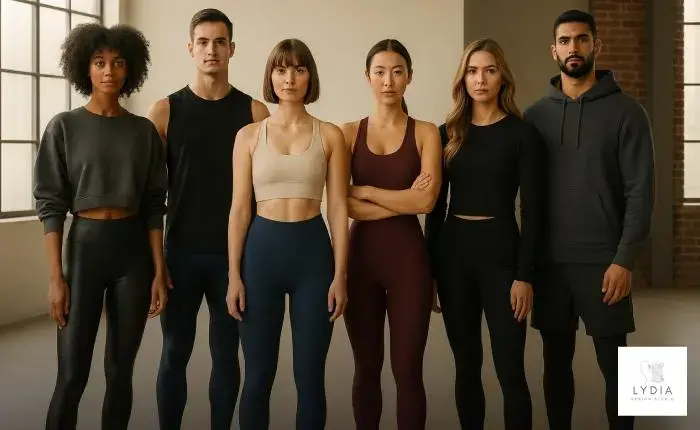
Leggings have transformed modern fashion, evolving from simple activewear into a universally loved, super-comfortable essential found in nearly every woman’s (and increasingly men’s) wardrobe.
They are no longer limited to gym sessions or yoga classes. Today, you’ll spot them almost everywhere. People wear them for everyday errands, long travel days, casual office settings, outdoor activities, and even style them for different streetwear looks.
With all this demand, customers expect leggings that look good, feel comfortable, and perform well, which makes material choice and construction more important than ever.
In this blog, we’ll break down everything you need to know about making high-quality leggings, including the best leggings fabric options, quality indicators, manufacturing steps, and how professional leggings manufacturers create consistent fits.
For brands, this is a great opportunity to understand what goes into premium leggings and how to start a leggings business with the right foundations.
But first, let's understand:
How Leggings Are One of the Strongest Apparel Categories?
The leggings industry has become one of the fastest-growing apparel categories worldwide. According to recent market reports, the global leggings market was valued at approximately USD 38.55 billion in 2024 and is expected to reach USD 63.8 billion by 2030, growing at a compound annual growth rate (CAGR) of 6.5%.
A major part of this growth comes from the shift in consumer habits. More people now prefer versatile clothing that fits multiple parts of their lifestyle.
And because leggings serve multiple purposes (fitness, casual wear, travel, and streetwear), demand remains strong across all types of leggings, from cotton leggings for women to high-compression silhouettes and premium lifestyle leggings.
What Are Leggings Made Of?
As the leggings market keeps expanding, one question becomes essential for any brand: what are leggings made of, and why does the material matter so much?
The truth is, the right leggings fabric can completely change how a pair feels, stretches, lasts, and performs. Every leggings material brings something unique to the table.
Here are some common leggings materials you’ll see most often:
Polyester
Nylon
Spandex (Elastane)
Cotton
Polyester–spandex and nylon–spandex blends
(We’ll later discuss each of them in detail)
Most activewear leggings are made with synthetics because they manage moisture better, stay in shape longer, and handle movement more efficiently. That’s why materials like polyester and nylon dominate athletic categories.
Cotton still has a strong place in the industry. It’s a favorite for softness and comfort, especially in cotton leggings for women, cozy loungewear, or leggings designed for daily use.
Exploring the Most Popular Types of Leggings
When building a strong product line, it’s important to understand the different types of leggings you can offer and which audience each style serves.
Whether you’re planning cotton leggings, polyester spandex leggings, custom leggings, or lifestyle pieces, each category has a unique purpose and buyer profile. Some common leggings types include:
High-Rise Leggings
High-rise leggings continue to dominate the market because they offer support, coverage, and a flattering silhouette. They’re popular among fitness enthusiasts, women who prefer secure waist coverage and a smoother shape under everyday outfits.
Compression Leggings
Compression leggings are ideal when it comes to muscle support, as these leggings are made from super-firm, performance-driven fabrics, such as nylon or polyester-spandex blends. This style is a preferred choice for athletes and gym-goers who need stability and better blood circulation during workouts.
Seamless Leggings
Seamless leggings are made using circular knitting machines to eliminate bulky seams. This gives them a smooth, second-skin feel. They appeal to customers who prefer minimalist, lightweight leggings for yoga, Pilates, and low-impact workouts.
Sculpt Leggings
With contouring panels and strategic compression zones, sculpt leggings create a lifted, shaped look. These are popular among style-conscious buyers, fitness influencers, and brands targeting customers who love a defined fit with a premium aesthetic look.
Cotton Casual Leggings
Made with cotton-spandex blends, cotton leggings are breathable, soft, and perfect for low-intensity use. These are ideal for customers shopping for comfort and for those looking for natural-fiber options.
Maternity Leggings
These leggings are made with soft stretch panels that adapt to a growing belly. They prioritize comfort without compromising support. Maternity leggings are for expecting mothers who want breathable, stretchy pieces for daily wear or gentle workouts.
Leggings Types Based on Length
Full-Length Leggings
These extend to the ankle and provide maximum coverage. They’re a staple in colder climates and for customers who prefer full support during workouts or daily wear.
7/8 Leggings
Slightly shorter than full-length, 7/8 leggings hit just above the ankle. They offer a modern, flattering cut that works well for gym sessions and athleisure outfits.
Capri Leggings
Ending mid-calf, capri leggings are ideal for warmer weather and high-intensity workouts. They allow breathability while still offering support and structure.
Knee-Length Leggings
Reaching just below the knee, this style works well for running, cycling, and hot-weather training.
Biker Shorts/Legging Shorts
Biker shorts offer maximum mobility and comfort, especially for summer collections. These are a popular choice in athleisure and streetwear. Plus, they’re perfect for custom leggings drops featuring prints and seasonal colors.
Now that we’ve covered the basics, the next step is understanding how leggings materials vary based on different types of leggings.
Best Fabrics for Premium Leggings

Choosing the right fabric for leggings is one of the most important steps when designing your collection. The leggings' material affects comfort, performance, and overall look.
Here’s a breakdown of the most popular options apparel manufacturers use today:
Polyester
Polyester is a popular synthetic option, often blended with other fibers. It is:
Cost-effective compared to nylon
Durable and abrasion-resistant
Quick-drying and moisture-wicking
Good at retaining shape while resisting shrinkage
Polyester is commonly used in compression leggings, offering structure and stretch. It’s also found in casual fashion leggings, where blends help reduce costs while improving durability.
Nylon
Nylon is one of the most widely used synthetic fibers in leggings production. It’s prized for its durability, stretch, and moisture-wicking abilities, making it ideal for athletic and activewear leggings. Key benefits include:
Smooth, lightweight texture
Wrinkle resistance
Breathability and quick-drying properties
Excellent stretch and recovery
Strong and abrasion-resistant
First developed commercially in the 1930s, nylon has evolved with modern textile innovations, becoming a go-to choice for exercise and sports leggings. Most athletic leggings combine nylon with spandex for added flexibility.
Cotton
Cotton is a natural fiber valued for comfort, breathability, and softness. However, it isn’t ideal for high-intensity athletic leggings. Its limitations include:
Limited stretch compared to spandex blends
Absorbs moisture rather than wicking it away
Can shrink easily
Prone to wrinkling
Most cotton leggings incorporate a small percentage of spandex for flexibility. Cotton works best for casual or everyday leggings.
Spandex (Elastane)
Spandex, also known as elastane, is a highly elastic fiber that provides stretch and recovery. It can stretch up to 600% of its original size and return to shape, making it essential for form-fitting leggings. Key features include:
Enhanced flexibility and freedom of movement
Maintains a snuggy, comfortable fit
Offers compression
Durable through repeated stretching
Spandex is blended with nylon, polyester, and cotton in proportions ranging from 2–20%, depending on the desired stretch and fit. Higher spandex content creates leggings with more elasticity.
Polyamide (Nylon™)
Polyamide is similar to nylon in feel and performance. It shares many of nylon’s benefits, such as:
Elasticity and stretch
Quick-drying and moisture-wicking
Breathability
Abrasion resistance
Easy care (machine washable and dryable)
Polyamide is versatile and comfortable, making it suitable for both athletic and fashion-focused leggings. Many designers use it for leggings that prioritize style over high-performance activity.
Fleece and Wool
For colder climates, some leggings incorporate fleece or wool for warmth and insulation. Some prominent features include:
Retains body heat
Natural moisture-wicking properties
Soft and comfortable feel
Wool is elastic and stretches well
Fleece and wool leggings are ideal for colder weather. While heavier fabrics may pill over time, they provide excellent comfort and temperature regulation in lined or insulated leggings.In addition to these, apparel manufcaturers also use different fabric blends, such as Polyester-Spandex, Nylon-Spandex, and Cotton-Spandex. Clothing brands with sustainability goals can also use recycled polyester to offer high-quality leggings to their customers.
The use of knitted fabrics, like soft knits or ribbed knits, is also very common when it comes to leggings manufacturing.
Now that you’re familiar with the best leggings materials for your brand, it’s time to dive deeper into the process and see how you can design your custom leggings from scratch.
Designing and Manufacturing Custom Leggings (Step-by-Step Process)

When it comes to creating leggings that feel comfortable and perform well, every detail in the construction process matters. Brands producing custom leggings or premium lines carefully consider each step to ensure the finished product is comfortable, durable, and flattering.
Here’s how skilled leggings manufacturers approach it:
Design and Pattern Making
The foundation of any great pair of leggings starts with a precise design and pattern. The design serves as the initial draft, showcasing how a specific pair of leggings will appear. Pattern, on the other hand, includes more intricate details like rise, inseam length, waistband height, and gusset placement. A well-crafted pattern ensures that different types of leggings (from high-waist everyday leggings to best compression leggings) have the intended fit and silhouette.
Pattern Grading
Once the base pattern is ready, it needs to be graded to create multiple sizes. Proper pattern grading guarantees that each size maintains the same proportions and fit, so customers get consistent quality whether they buy a small, medium, or large pair.
Cutting Techniques
Cutting the fabric accurately is essential to maintain quality. Most manufacturers often use laser cutting for precision, while some premium or artisanal custom leggings lines still employ careful manual cutting. Accurate cutting prevents stretching or distortion in the fabric.
Stitching and Seams
The choice of stitching affects both comfort and durability, so it’s crucial to decide wisely. Here’s a breakdown of different seam types and their specialities:
Flatlock stitching (lays flat against the skin, reduces chafing, and is common in activewear)
Overlocking (secures fabric edges to prevent fraying)
Bonded seams (seamless look for premium leggings)
Reinforced waistbands (maintain shape and provide support without digging in)
Fit Testing
Before production, there’s a sampling stage where every legging style undergoes rigorous testing. The clothing suppliers check:
Stretch and recovery (ensures leggings return to their original shape)
Opacity (prevents see-through issues, especially in light-colored fabrics)
Compression (measures support in high-performance leggings)
By paying attention to these details, leggings manufacturers can produce high-quality leggings that combine comfort, durability, and style — whether for everyday wear, fitness, or premium collections.
Choosing the Right Leggings Manufacturers
Once you’ve finalized your designs and you know the drill, choosing the right leggings manufacturers becomes the most important step in bringing your collection to life. Below are some key pointers you should consider:
Look for technical expertise in performance wear: Your manufacturer should understand compression, 4-way stretch, moisture-wicking finishes, and athletic-grade stitching.
Choose partners with strong fabric sourcing: Your manufacturer should have access to reliable suppliers and ensure consistent GSM (Grams per Square Meter), stretch percentage, and opacity for premium leggings.
Check their custom development capabilities: A good manufacturer must be able to create unique styles, custom prints, and a wide size range for your brand.
Ensure MOQs are transparent: Clear minimums help you plan inventory and budget realistically, whether you're testing small batches or scaling.
Ask about sampling options: Fit samples and full-size sets are essential to perfecting stretch, silhouette, waistband feel, and other details.
Evaluate their quality control process: They should test and quality assure the stitching durability, stretch recovery, pilling resistance, colorfastness, and opacity of your leggings collection.
Confirm private label/custom support: Choose a vendor who can handle branding elements like heat transfers, woven labels, packaging, and custom designs.
How to Start a Leggings Business (A Beginner-Friendly Roadmap)

Starting a leggings business begins with choosing a clear niche, whether it’s yoga, athleisure, maternity, or lifestyle. Once your target audience is defined, select the best materials for leggings based on their needs, focusing on stretch, opacity, and comfort.
Develop 2–4 core designs to start, then collaborate with experienced leggings manufacturers who can support custom development and high-quality production.
Pro Tip: Always order samples and test them for fit, stretch recovery, and overall feel before committing to bulk orders. Begin with small quantities to manage risk and scale as demand grows. Throughout the process, prioritize strong branding and consistent fit since these two elements play the biggest role in how your clothing brand is perceived.
The Bottom Line
If you’re ready to turn your leggings idea into a product customers love, now is the perfect time to take the next step. At Lydia Design Studio, we help brands transform sketches and concepts into high-performing leggings with the right materials, precise construction, and a fit your customers will come back for.
From premium fabric sourcing to expert pattern development and small-batch sampling, we support you through every stage of building a standout leggings line.
Whether you’re launching your first collection or upgrading an existing one, our team helps you create quality that actually sells.


