.png)
12 Trendy Men’s T-Shirt Styles for Your Brand’s Summer Collection

Updated: Jun 1

Every strong apparel summer collection for men starts with one essential piece: t-shirts. They’re lightweight, easy to wear, and endlessly versatile, which is exactly why they continue to dominate seasonal wardrobes year after year. Whether it’s everyday basics or statement styles, the right summer tees can shape how your entire collection is perceived.
For brands, men’s t-shirts aren’t just fillers — they’re often the best-selling items. The right mix of styles can attract different customer segments, increase repeat purchases, and build a recognizable brand identity.
In this guide, we’ll cover:
The most popular types of t-shirts trending this summer
How to choose the right t-shirts for men based on your target audience
Style variations that actually sell
And key tips to build a well-balanced, high-performing collection
Let’s get started!
Understanding the Basics: What Makes a Great Men’s T-Shirt?
Before diving into trends, it’s important to understand what actually makes a t-shirt worth wearing and worth selling. The best men’s t-shirts come down to fabric, fit, and construction.
Getting these fundamentals right ensures your collection feels intentional and performs well in the market.
Fabric Matters (Summer Focus)
Fabric is the first thing customers notice, especially in summer. Cotton remains a popular choice for its softness and breathability, while blends (like cotton-polyester) offer added durability and shape retention. Performance fabrics are also gaining traction for their moisture-wicking and lightweight feel. For summer tees, breathability and comfort should always be the priority.
Fit & Silhouette
Fit plays a major role in how a t-shirt looks and feels. Slim fits offer a more tailored, clean appearance, while relaxed and oversized fits create a laid-back, modern vibe. The silhouette you choose should align with your brand identity and target audience, as it directly influences how the product is styled and perceived.
Necklines & Construction
Details like necklines and construction can subtly elevate a t-shirt. Crew necks are the most versatile, V-necks offer a slightly refined look, and Henley styles add a touch of depth with button detailing. Beyond style, stitching quality and finishing determine durability — well-constructed tees not only look better but also last longer.
Types of T-Shirts for Men: A Quick Overview
Here’s the thing: Not all t-shirts for men serve the same purpose — some are everyday essentials, while others are designed to stand out and define a brand’s identity.
Basic tees are the foundation of any collection. They’re simple, versatile, and appeal to a wide audience looking for clean, wearable pieces. Graphic tees, on the other hand, bring personality into the mix with prints, logos, or artwork, making them ideal for storytelling and brand expression.
Oversized tees have become increasingly popular, especially in streetwear, offering a relaxed fit and modern silhouette. Then there are statement pieces — bold designs, unique cuts, or standout prints that catch attention and differentiate your brand in a crowded market.
Understanding these core categories makes it easier to create a balanced lineup before diving into specific styles and trends.
12 Trendy Men’s T-Shirt Styles for Summer
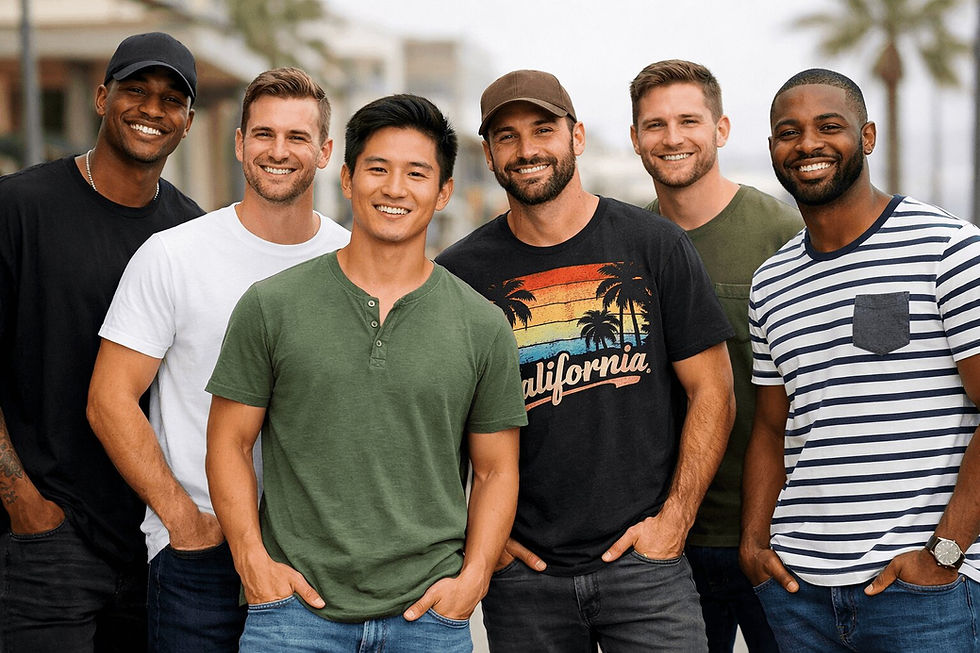
Now that the basics are clear, let’s get into the styles that actually sell. A strong summer lineup of men’s t-shirts should balance timeless staples with trend-driven pieces.
Classic Crew Neck Tee (The Essential Staple)
The crew neck is the backbone of all t-shirts for men. It’s simple, timeless, and works across all age groups and style preferences. Every brand needs this as a core product because it offers maximum versatility and consistent demand.
Oversized T-Shirts (Streetwear Favorite)
Oversized tees continue to dominate modern fashion, especially among younger audiences. Their relaxed silhouette and effortless look make them a staple in streetwear-inspired collections.
Graphic Tees (Statement Pieces)
Graphic tees allow brands to express identity through bold prints, logos, and typography. They’re more than just clothing — they’re a storytelling tool that can connect with your audience on a deeper level.
Minimalist Plain Tees (Clean Aesthetic)
Minimalist tees focus on clean design and neutral tones. They often carry a more premium feel and appeal to customers who prefer a subtle, refined style over loud graphics.
V-Neck T-Shirts (Refined Casual)
V-neck tees offer a slightly more polished look compared to crew necks. They’re ideal for customers who want something casual but a bit more elevated for everyday wear.
Henley T-Shirts (Smart Casual Hybrid)
Henley t-shirts add depth with their buttoned neckline. They sit between casual and smart, making them a great option for layering or slightly dressed-up looks.
Pocket T-Shirts (Subtle Detail)
Pocket tees bring a small but effective design element. The added detail makes them feel more interesting without overwhelming the overall look.
Striped T-Shirts (Summer Classic)
Striped tees are a seasonal favorite, often associated with relaxed, coastal, and casual summer vibes. They’re easy to style and consistently relevant.
Longline T-Shirts (Modern Silhouette)
Longline tees feature an extended length that creates a more contemporary, urban look. They appeal to fashion-forward customers looking for something different from standard fits.
Performance Tees (Athleisure Trend)
Performance tees are designed with functionality in mind. Made from moisture-wicking and breathable fabrics, they’re perfect for both workouts and everyday athleisure wear — a growing category in modern fashion.
Vintage Washed Tees (Retro Appeal)
These tees are designed to look slightly worn-in, with faded colors and a soft texture. They tap into the ongoing demand for vintage-inspired fashion and relaxed aesthetics.
Tie-Dye/Printed Summer Tees (Seasonal Trend)
Bright, expressive, and eye-catching, tie-dye and printed tees are perfect for summer collections. They add energy and personality, making them ideal for seasonal drops.
How to Choose the Right T-Shirt Styles for Your Brand
Choosing the right mix of men’s t-shirts isn’t always about following every trend; it’s about making intentional decisions based on your brand, audience, and market positioning.
A well-curated selection will always outperform a random assortment of styles. Here’s what you should do:
Based on the Target Audience
Start with who you’re designing for. A streetwear audience may prefer oversized fits, graphic tees, and bold designs, while a premium audience leans toward minimalist styles and refined silhouettes. If your focus is on everyday basics, clean and versatile tees will perform better. Your audience should always guide your style direction.
Based on Price Point
Your pricing strategy plays a big role in the types of t-shirts you offer. Budget-friendly collections often focus on simple designs and cost-effective fabrics, while premium positioning allows for better materials, unique finishes, and elevated details. The style should align with what your customer expects to pay.
Based on Brand Identity
Your t-shirt styles should reflect your brand’s personality. A minimalist brand will benefit from clean, neutral designs, while a bold brand can experiment with graphics, prints, and statement pieces. Consistency in style and quality helps build recognition and trust over time.
Based on Market Trends
It’s important to stay aware of what’s currently selling, but not blindly follow trends. Look at what’s gaining traction in different t-shirts for men, such as oversized fits or vintage washes, and adapt those trends in a way that fits your brand rather than copying them directly.
The best collections are built with clarity. When your styles align with your audience, pricing, and identity, your men’s t-shirts become easier to sell and much stronger as a product line.
Fabric Guide for Men’s Summer Tees
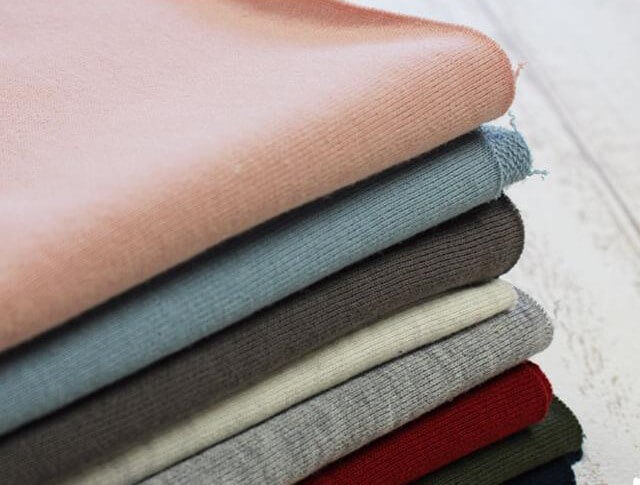
When it comes to building a strong lineup of summer tees, fabric choice is critical.
In hot weather, the wrong fabric can feel heavy, trap heat, and make even the best design uncomfortable. The right fabric, on the other hand, keeps the wearer cool, dry, and comfortable throughout the day.
Cotton is the most commonly used fabric for summer t-shirts, and for good reason. It’s soft, breathable, and comfortable against the skin. It allows air to circulate, which helps in hot conditions. However, pure cotton tends to absorb sweat and hold onto moisture, which can sometimes leave the fabric feeling damp during intense heat or activity.
Cotton blends, such as cotton-polyester or cotton-spandex, offer a more balanced option. These blends combine the softness of cotton with added durability, stretch, and improved moisture management. They’re less likely to lose shape and often dry faster than pure cotton, making them a practical choice for everyday summer wear.
Performance fabrics take things a step further. Designed specifically for functionality, these fabrics are lightweight, moisture-wicking, and quick-drying. They actively pull sweat away from the body and allow it to evaporate, making them ideal for high temperatures, workouts, or all-day wear in humid conditions.
So, the question is which fabric works best for the summer?
For casual, everyday comfort, cotton and cotton blends are reliable choices. But for intense heat, outdoor activities, or active lifestyles, performance fabrics are often the best option.
The ideal men’s summer t-shirt collection usually includes a mix of all three, giving customers options based on how and where they plan to wear their t-shirts.
Common Mistakes Apparel Brands Make with T-Shirts
T-shirts may seem simple to design and sell, but small missteps can quickly impact how a collection performs. Many clothing brands overlook key fundamentals, which leads to low engagement, poor sales, or products that don’t resonate with their audience.
Some common mistakes include:
Too many similar styles: Offering multiple designs that look almost identical can make the collection feel repetitive and reduce customer interest
Ignoring fabric quality: Even great designs won’t perform well if the fabric feels uncomfortable or doesn’t hold up over time
Not understanding the audience: Designing without a clear target customer often results in styles that don’t connect or sell
Overcomplicating designs: Adding too many elements can make t-shirts look cluttered, while simpler designs often have broader appeal
Manufacturing Insights: Producing Quality Men’s Tees

When it comes to creating high-quality men’s t-shirts, it’s all about execution. The manufacturing process plays a huge role in how the final product looks, feels, and performs in the market.
Paying attention to the right details early on can save costs, reduce errors, and improve overall product quality.
Here are some essential details you must consider:
Fabric Sourcing
The foundation of any great t-shirt starts with the fabric. Sourcing the right material means balancing comfort, durability, and cost. For summer collections, lightweight and breathable fabrics should be the priority. It’s also important to check fabric consistency, shrinkage, and color retention before moving into production.
Fit Sampling
Fit can make or break a t-shirt. Sampling allows you to test proportions, sizing, and overall silhouette before bulk production. Multiple sample rounds are often necessary to refine the fit and ensure consistency across sizes, especially if you’re offering different fits like slim or oversized.
Printing & Finishing
Printing quality directly affects how your design is perceived. Whether it’s screen printing, embroidery, or digital printing, the technique should match your design style and fabric type. Finishing details like stitching, labels, and trims also play a key role in giving the t-shirt a polished, premium feel.
MOQ & Cost Considerations
Minimum order quantities (MOQs) and production costs vary depending on the manufacturer and customization level. It’s important to find a balance between keeping costs manageable and maintaining quality. Planning your order sizes strategically can help reduce risk while ensuring efficient production.
Final Thoughts
T-shirts may seem simple, but they’re one of the most powerful pieces in any collection. They’re often the first thing customers notice, the easiest to wear, and the most frequently purchased. When done right, men’s t-shirts can become the backbone of your brand.
The key is finding the right mix — balancing timeless staples with trend-driven styles, and aligning everything with your audience and identity. A well-thought-out selection doesn’t just look good; it sells better, performs consistently, and builds long-term brand value.
At the end of the day, it’s not about how many styles you offer; it’s about choosing the right ones for your target audience.
Frequently Asked Questions
What are the different types of t-shirts for men?
There are many different t-shirts for men, including crew neck tees, oversized t-shirts, graphic tees, minimalist plain tees, Henley styles, V-necks, and striped tees. Each type serves a different purpose, from everyday basics to statement pieces.
Which t-shirt style is best for summer?
The best styles for summer are lightweight and breathable, such as classic crew necks, oversized tees, and minimalist plain t-shirts. These styles offer comfort, airflow, and versatility for warm weather.
What fabric is best for summer tees?
Cotton, cotton blends, linen, and muslin are great for everyday comfort, while performance fabrics are ideal for hot and active conditions due to their moisture-wicking and quick-drying properties.
Are oversized t-shirts still in trend?
Yes, oversized t-shirts remain a strong trend, especially in streetwear and casual fashion. Their relaxed fit and modern aesthetic continue to appeal to younger audiences.
What are the most popular men’s t-shirts?
Some of the most popular men’s t-shirts include classic crew neck tees, graphic t-shirts, minimalist styles, and oversized fits. These styles consistently perform well across different markets.
How do I choose the right t-shirt fit?
Choosing the right fit depends on personal style and comfort. Slim fits offer a more tailored look, while relaxed and oversized fits provide a casual, modern feel. It’s important to consider both body type and how the t-shirt will be styled.


