.png)
Polyester Fabric Explained: Everything You Need to Know


Polyester is one of those fabrics most people wear regularly, even if they don’t think much about it. It shows up in activewear, uniforms, jackets, dresses, home textiles, and everyday apparel because it’s practical, durable, and easy to produce at scale. From gym clothes to workwear, polyester fabric has become a major part of modern clothing.
But while it’s everywhere, many people still wonder: what is polyester fabric, and why is it used so often?
The answer comes down to its performance. Polyester can be lightweight, wrinkle-resistant, quick-drying, and long-lasting — but it also has limitations depending on the quality, weave, blend, and finish.
That’s why understanding polyester fabric is essential. Whether you’re a shopper comparing fabrics, a designer selecting materials, or a brand planning production, knowing how polyester works helps you make smarter choices.
In today’s blog post, you’ll learn:
What polyester fabric is
The key features of polyester fabric
Different types of polyester
Common polyester blends
Pros, cons, and uses
How brands can choose the right polyester for apparel production
Also, read our detailed blog post on silk fabric, its properties, types, and use cases.
Let’s start with the basics and break down what polyester fabric actually is.
What Is Polyester Fabric?

Polyester fabric is a synthetic fabric made from polymer fibers. Most polyester is derived from petroleum-based materials, which are processed into strong fibers that can be turned into yarn and fabric.
What makes polyester so popular is its performance. It is engineered to be durable, wrinkle-resistant, lightweight, and easy to care for. Depending on how it is made, polyester can be woven or knitted into many fabric styles — from smooth activewear to structured outerwear to soft everyday apparel.
How Polyester Is Made
The process starts with raw materials that are chemically processed into a polymer. This polymer is then melted and pushed through tiny openings to create fine fibers. Once the fibers are formed, they are stretched, cooled, and turned into yarn.
From there, the yarn can be woven or knitted into fabric, depending on the final use. For example, knitted polyester may be used in sportswear and t-shirts, while woven polyester may be used for jackets, uniforms, or structured garments.
So, while polyester is synthetic, its versatility comes from how the fibers are processed, finished, and constructed into different fabric types.
Polyester Blends: Why Polyester Is Often Mixed with Other Fibers
Polyester is strong and practical on its own, but it becomes even more versatile when blended with other fibers. These polyester blends are used to improve comfort, stretch, breathability, softness, or structure, depending on the garment’s purpose.
Some common polyester blends are:
Polyester-Cotton Blend
A polyester-cotton blend combines the softness and breathability of cotton with the durability and wrinkle resistance of polyester. This blend is commonly used in everyday basics because it feels comfortable while still holding up well after repeated washing.
Polyester-Spandex Blend
Polyester-spandex blends are designed for stretch and movement. Polyester provides strength and moisture management, while spandex adds flexibility and shape recovery. This blend is especially popular in activewear, leggings, fitted tops, gymwear, and performance clothing.
Polyester-Rayon Blend
A polyester-rayon blend creates a softer feel and better drape than polyester alone. Rayon adds flow and smoothness, while polyester improves durability and helps the garment maintain its shape. This blend is often used in dresses, blouses, skirts, and fashion apparel.
Polyester-Wool Blend
Polyester-wool blends combine the warmth and structure of wool with the durability and wrinkle resistance of polyester. This makes the fabric more practical for regular wear while still looking polished. It is commonly used in suits, trousers, coats, uniforms, and tailored garments.
Benefits of Polyester Fabric
One of the biggest benefits of polyester is its long-lasting wear. It holds up well with frequent use, making it a practical choice for high-rotation wardrobe pieces like uniforms, activewear, and everyday clothing.
Polyester is also known for easy maintenance. It is usually machine washable, dries quickly, and resists wrinkles better than many natural fabrics, which makes it practical for both consumers and brands.
For apparel businesses, polyester can be a cost-effective fabric choice. It is often more affordable than many natural fibers and works well for large-scale production without sacrificing durability or consistency.
Another major advantage is design versatility. Polyester can be made smooth, textured, sheer, thick, lightweight, or structured, giving designers and brands flexibility across many clothing categories.
Disadvantages of Polyester Fabric
Less breathability is one of the main drawbacks of polyester fabric. Compared to natural fibers like cotton, muslin, or linen, polyester can trap heat if it is not engineered with breathable construction or moisture-control finishes.
Polyester can also hold odor, especially in activewear. Since it does not absorb moisture the same way natural fibers do, sweat and bacteria can stay on the fabric surface if the material is untreated.
There are also environmental concerns to consider. Traditional polyester is petroleum-based, and issues like microfiber shedding, recyclability, and long-term textile waste are still important challenges for the fashion industry.
Popular Uses of Polyester Fabric in Clothing and Home Textiles

The following are the most common uses of polyester fabric.
Activewear and Sportswear
Polyester is widely used in activewear because it is lightweight, durable, and quick-drying. It works well for gymwear, performance tees, leggings, shorts, and training apparel, especially when blended with spandex for stretch and flexibility.
Everyday Clothing
Many everyday garments use polyester because it is easy to care for and holds its shape well. You’ll often find it in t-shirts, dresses, blouses, pants, and skirts, either as 100% polyester or as part of a softer, more breathable fabric blend.
Outerwear
Polyester is a practical choice for outerwear because it can be woven into strong, weather-resistant fabrics. Jackets, windbreakers, coats, and rainwear often use polyester for durability, lightness, and protection against wind or moisture.
Uniforms and Workwear
Uniforms and workwear need to handle frequent washing and daily wear, which makes polyester a reliable option. It resists wrinkles, dries quickly, and maintains its appearance, making it useful for school uniforms, hospitality wear, medical uniforms, and industrial workwear.
Home Textiles
Beyond clothing, polyester is also common in home textiles. It is used in curtains, upholstery, bedding, cushions, and decorative fabrics because it is durable, affordable, and resistant to shrinking and wrinkling.
Is Polyester Fabric Good for Clothing?
Yes, polyester fabric can be a very good choice for clothing, depending on the garment and how the fabric is made. However, polyester may not be the best option for everyone.
If someone prefers fully natural, highly breathable fabrics, materials like cotton, linen, or wool may feel more comfortable — especially in hot weather or for sensitive skin. Polyester can sometimes trap heat if it is not engineered properly or blended with more breathable fibers.
The quality of polyester matters a lot. Cheap polyester can feel stiff, shiny, clingy, or uncomfortable. High-quality polyester, on the other hand, can feel smooth, lightweight, soft, and even premium. For brands and buyers, the key is choosing the right type, blend, weight, and finish based on the purpose of the garment.
How to Choose the Right Polyester Fabric
Polyester is a versatile fabric. Below are some tips to choose the ideal one for your needs.
Based on Garment Type
Start with the purpose of the garment. Activewear usually needs polyester with stretch, moisture control, and quick-drying performance. Dresses and blouses often require softer polyester with better drape and movement. Jackets and outerwear need stronger polyester fabrics that can handle durability, structure, and weather resistance.
Based on Climate
Climate also matters. Lightweight polyester works better for warm weather because it feels less heavy and can be easier to layer. For cooler seasons, heavier polyester blends or brushed finishes provide more warmth and structure while still offering wrinkle resistance and durability.
Based on Comfort
If the fabric will sit directly against the skin, comfort should be a priority. Look for polyester that feels soft, breathable, and smooth. Stretch blends can also improve comfort, especially for fitted garments, performance wear, or clothing designed for movement.
Based on Brand Positioning
Your fabric choice should match your brand’s price point and audience. Budget brands may use standard polyester for affordability and consistency, while premium brands may choose recycled polyester, textured finishes, or performance polyester to create a more elevated product experience.
Polyester Fabric for Clothing Brands: Manufacturer Insights
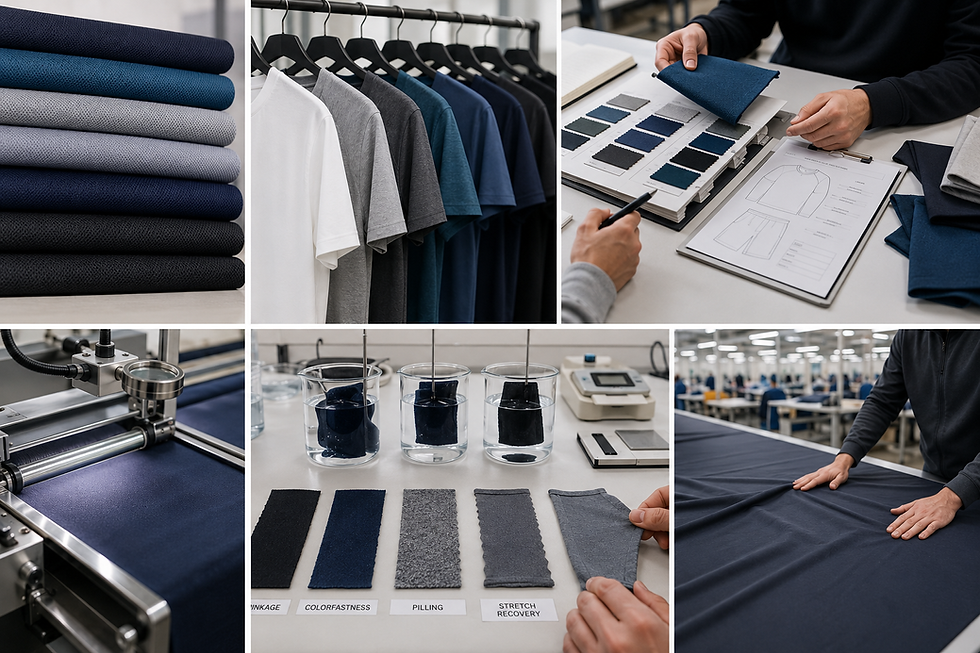
For clothing brands, polyester is not just a fabric choice; it’s a production decision. The right polyester can improve garment performance, reduce production issues, and help brands create consistent products across multiple categories.
Why Brands Use Polyester
Brands often choose polyester because it is affordable, scalable, and versatile. It works well for large production runs and can be used across many categories. Polyester also offers strong consistency, which is important when brands need repeatable quality across sizes, colors, and future reorders.
What Brands Should Ask Suppliers
Before sourcing polyester, brands should ask suppliers clear questions about the fabric. What type of polyester is it? Is it virgin polyester or recycled polyester? Does it include moisture-wicking, anti-odor, or wrinkle-resistant treatment? How does the fabric perform after washing?
These questions help brands avoid surprises and choose polyester that matches the product’s purpose.
Quality Checks Before Production
Quality testing is essential before approving polyester for bulk production. Brands should check for shrinkage, colorfastness, stretch recovery, pilling resistance, and wash durability. These tests help confirm that the fabric will hold its shape, color, and feel after repeated wear and washing. For brands, this step reduces returns, protects customer trust, and improves long-term product quality.
Final Thoughts
Polyester fabric is popular for good reason. It’s durable, versatile, affordable, and easy to care for, which makes it useful across everything from everyday clothing and activewear to outerwear and home textiles.
For brands, polyester can be a smart fabric choice when sourcing and testing are handled properly. Checking fabric quality, colorfastness, shrinkage, and wash durability before production helps ensure the final garment feels good, performs well, and lasts longer.


